
WAEC GCE Mathematics Questions and Answers Expo 2026: In today’s article, we have shared the verified 2026 WAEC GCE Mathematics expo for Essay and Objective (OBJ) delivered early and reliably.
CLICK HERE TO CHAT US ON WHATSAPP TO PAY AND GET IT IMMEDIATELY
CORRECT: 2026 WAEC GCE Mathematics Expo Questions And Answers
The West African Examinations Council (Private WAEC) has officially scheduled the 2026 WAEC GCE Mathematics paper to take place on Saturday 3rd, October 2026.
As the exam date approaches, many students are actively searching for WAEC GCE 2026 Mathematics Questions and Answers, WAEC GCE Mathematics Expo 2026 Essay and OBJ, 2026 WAEC GCE Mathematics Expo, Mathematics WAEC GCE 2026 Questions and Answers, and other trusted study materials. Rest assured, you have come to the right place.
WAEC is responsible for assessing the academic performance of secondary school students across West Africa.
Are you writing the WAEC 2026 exam? Are you looking for verified Mathematics answers? Welcome to this page, the most reliable source for genuine 2026 WAEC GCE Mathematics Expo answers, covering both Essay, Theory, and Objective (OBJ) sections.
At MASTERJOB, we don’t just make promises—we deliver. Our early and accurate delivery gives you enough time to study, practice, and build confidence before entering the exam hall. We are the top-rated WAEC Runz/Expo provider, trusted by thousands of candidates and school owners.
If you are determined to score an A1 in WAEC GCE Mathematics this is your best opportunity. With MASTERJOB guiding you, success is guaranteed.
Join us on WhatsApp at 07042290657 for early access to the Mathematics questions and answers, delivered at least 4 hours before the exam begins.
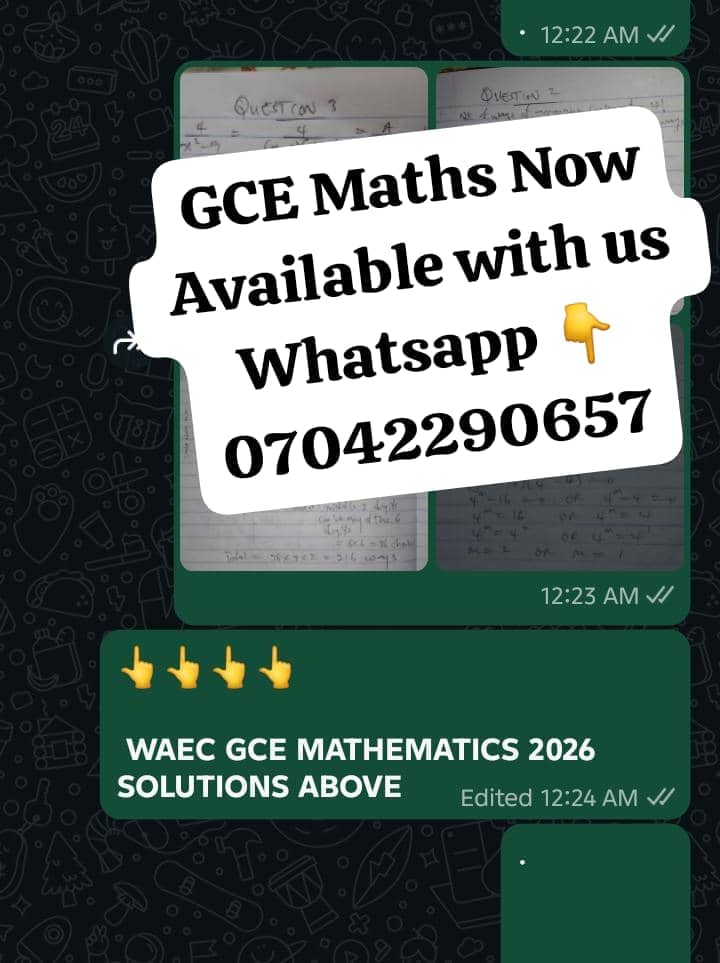
What To Expect In The 2026 WAEC GCE Mathematics Expo Package?
Our comprehensive package includes:
- WAEC GCE Mathematics Essay Questions & Answers 2026
- WAEC GCE Mathematics Objectives Questions & Answers 2026
- WAEC GCE Mathematics Theory Questions & Answers 2026
All answers are 100% verified and compiled by Mathematics experts with years of experience preparing candidates for WAEC exams.
2026 WAEC Expo Subscription Plans
Gain access to verified WAEC 2026 questions and answers delivered directly to your device.
Subscription Packages:
- All Subjects (Science, Art & Commercial)
- Science Department
- Art Department Only
- Commercial Department Only
- Daily Subscription
Choose your preferred department/subject and Contact us on WhatsApp at to get payment details and secure your slot today 07042290657.
CHAT WITH US ON WHATSAPP TO REGISTER AND ACCESS IT NOW
Subjects Offered For The 2026 WAEC Expo
At MASTERJOB, we cover all approved WAEC subjects, including:
- English Language
- Mathematics
- Biology
- Chemistry
- Physics
- Agricultural Science
- Animal Husbandry
- Computer Studies
- Civic Education
- Data Processing
- Financial Accounting
- Economics
- Government
- Further Mathematics
- Geography
- Literature-in-English
- Visual Art
- Office Practice
- Islamic Religious Studies (IRS)
- Christian Religious Studies (CRS)
- General Mathematics
- Yoruba
- Hausa
- Bookkeeping and more.
How To Subscribe For 2026 WAEC GCE Mathematics Questions And Answers
STEP 1: Make a payment of N2000 or MTN Recharge Card. Ask for the details here
STEP 2: Send your payment details to WhatsApp using this format:
- Subject: General Mathematics
- Your Full Name
- MTN Card PIN or Proof of Payment
- Active Phone Number
STEP 3: Once confirmed, you will be added to our VIP delivery group for early access.
Note: We don’t offer free stuffs, All questions and answers are released at midnight or at least 4 hours before the exam begins.
JOIN OUR WHATSAPP CHANNEL HERE
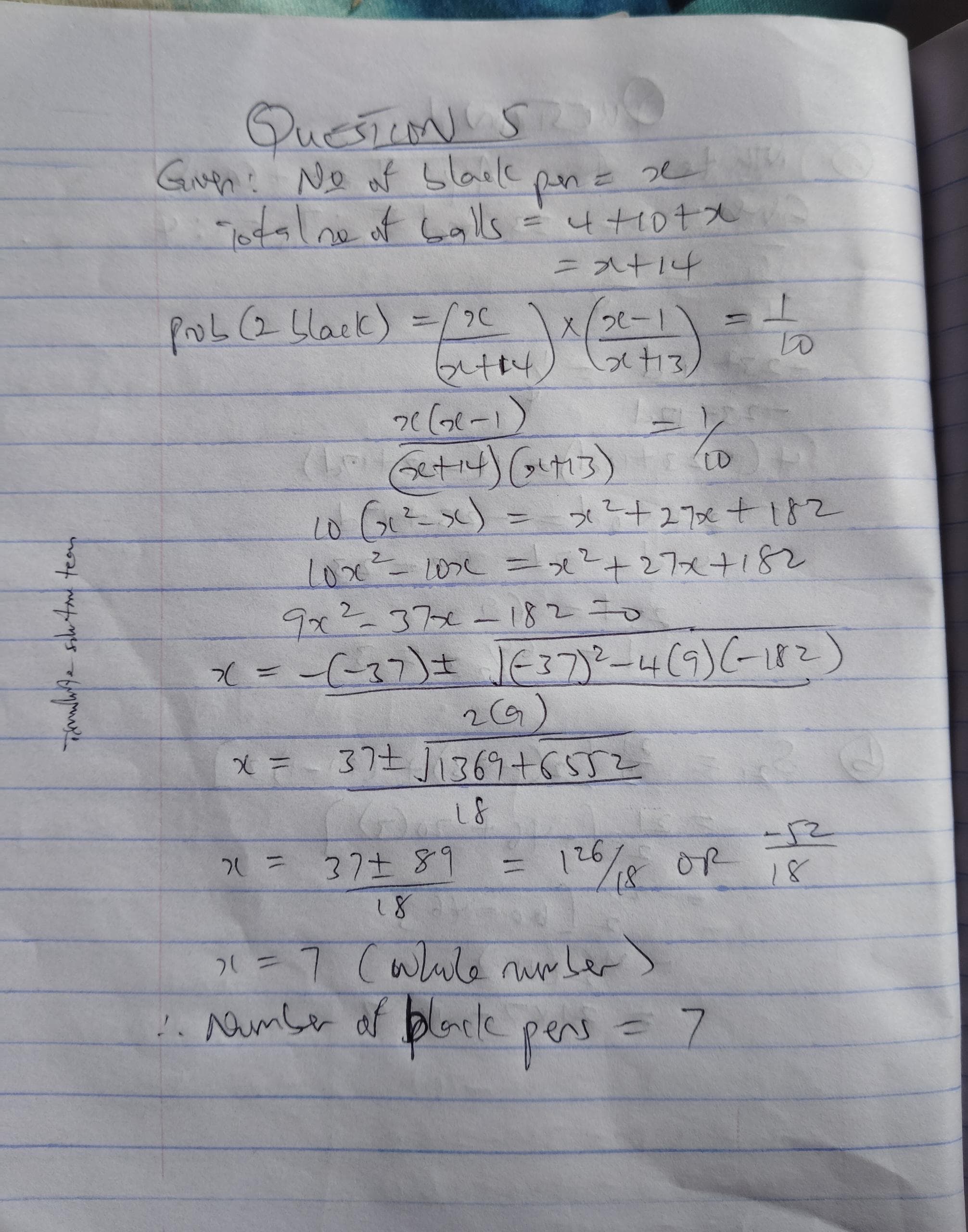
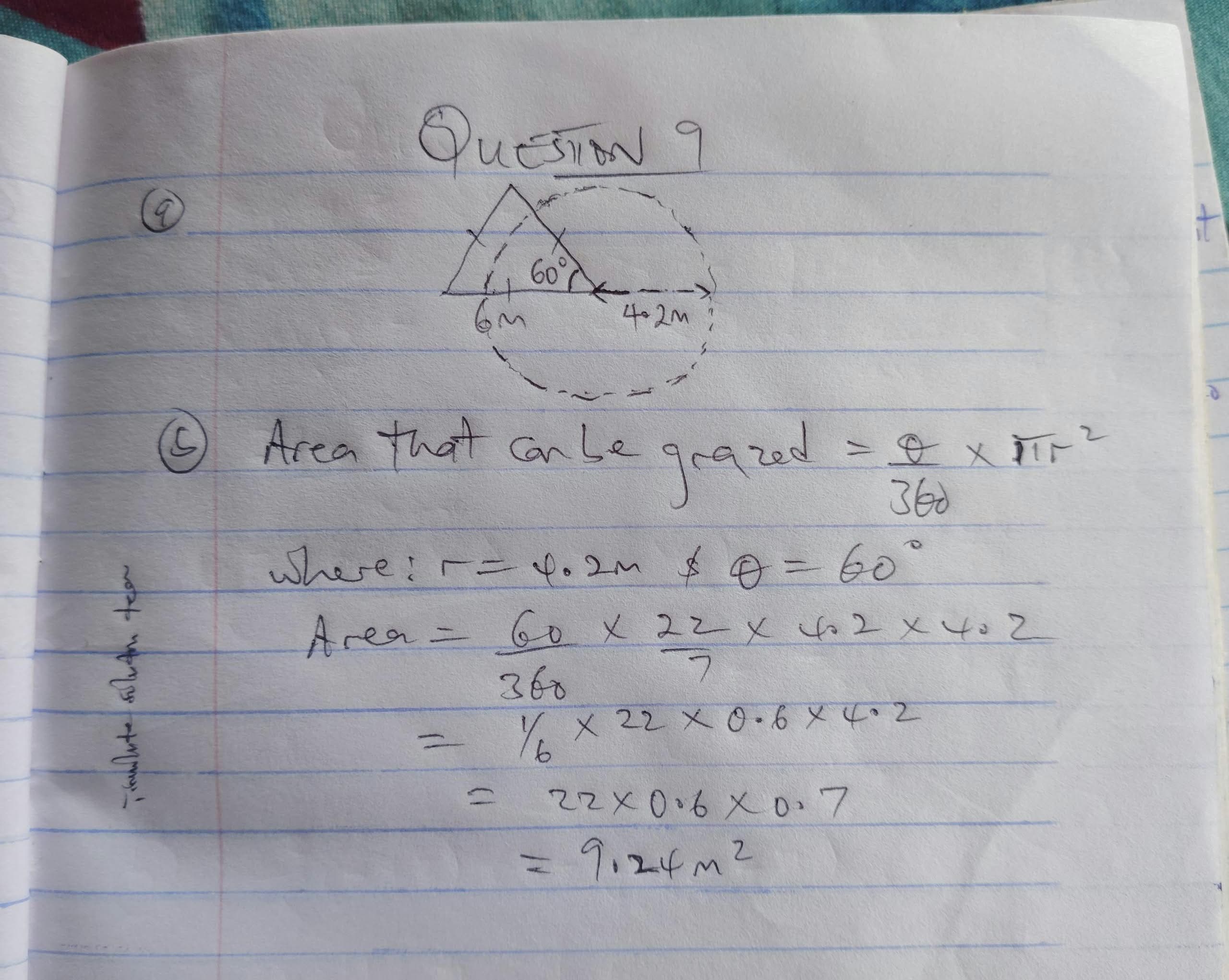
WAEC Mathematics Past Questions & Answers 2026 Theory & Objective 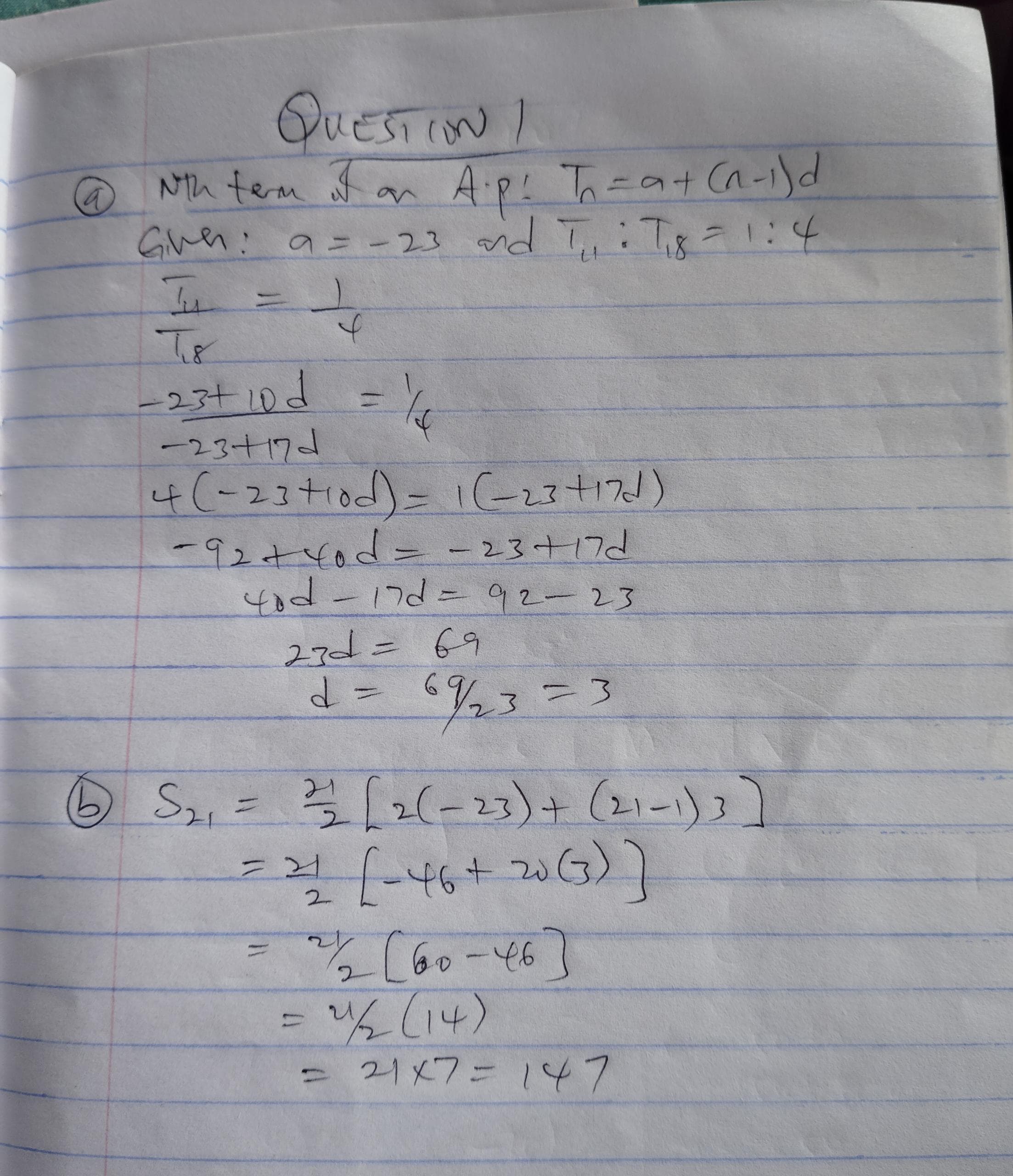
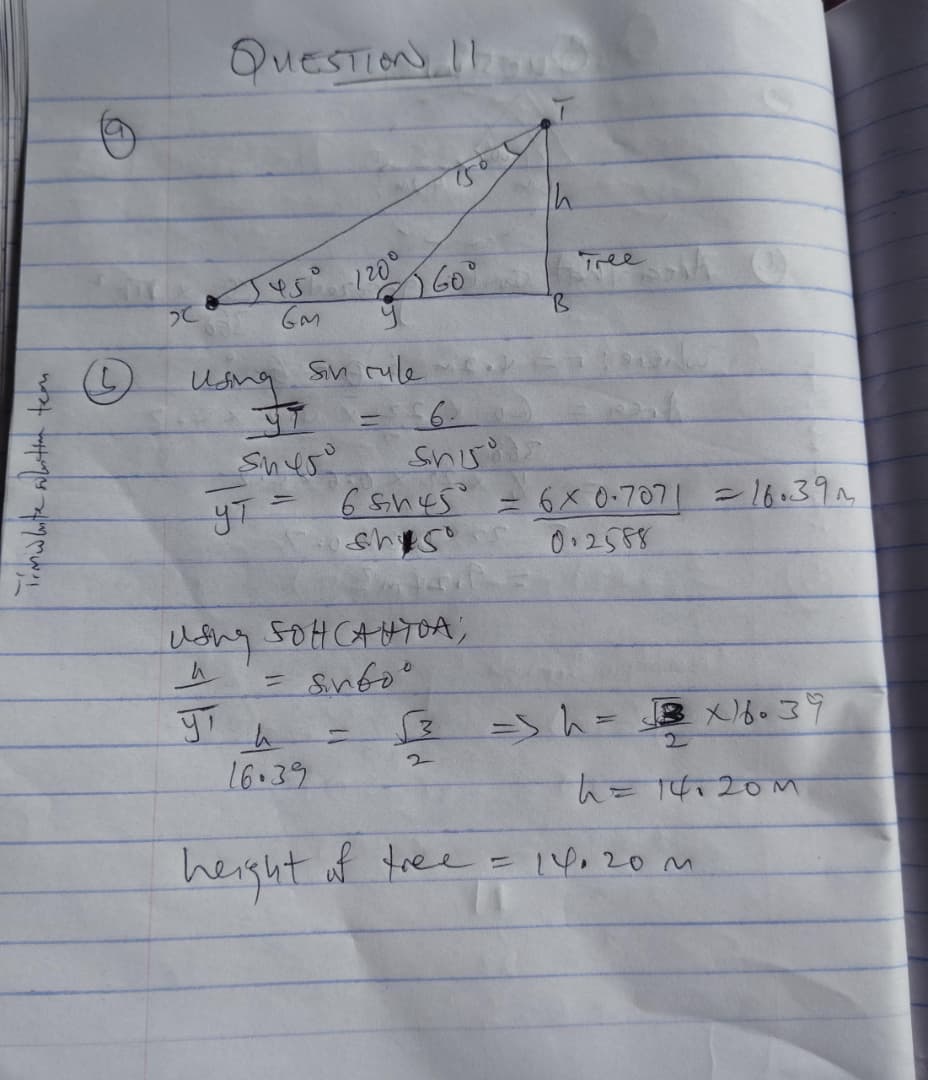
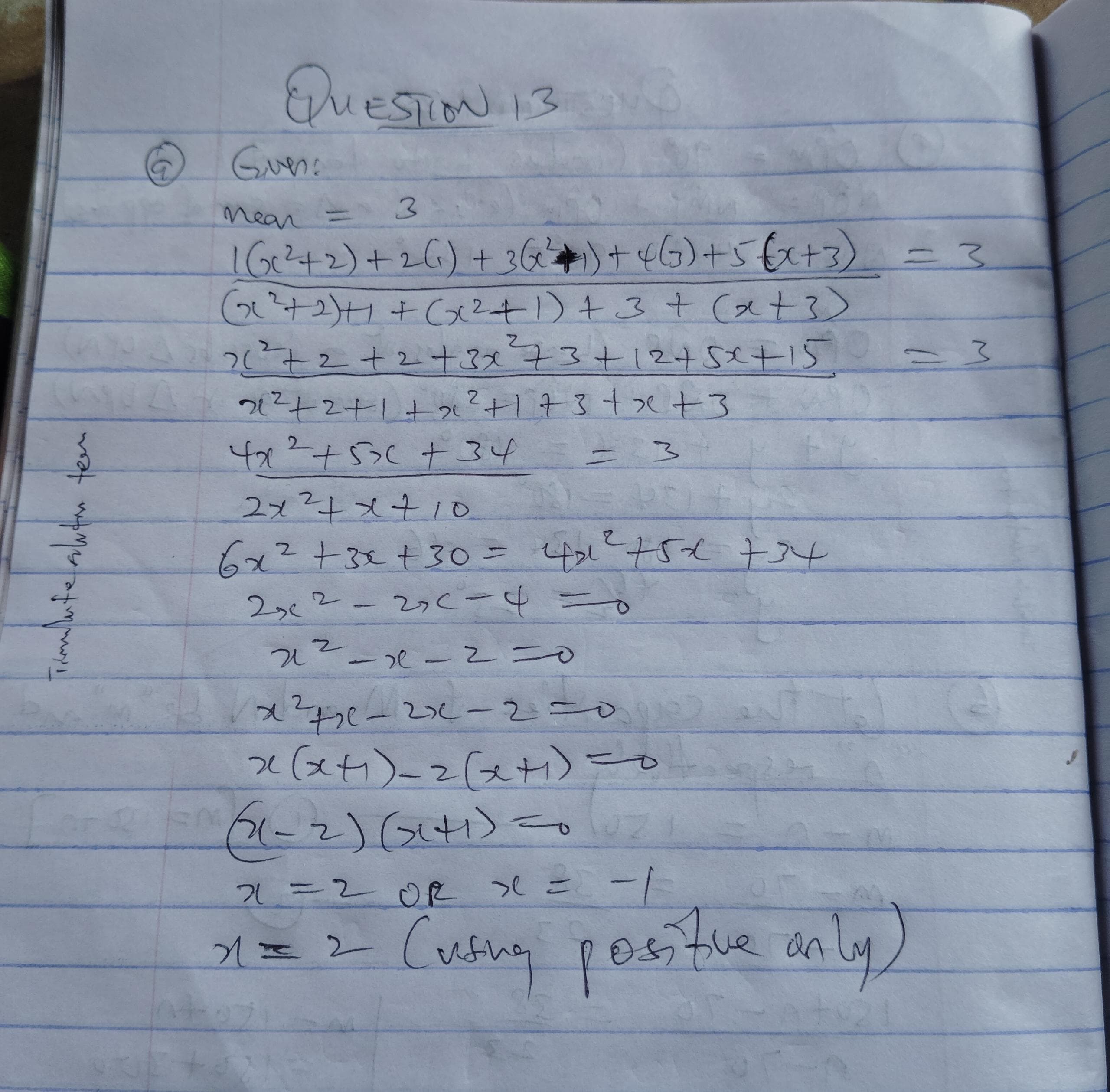
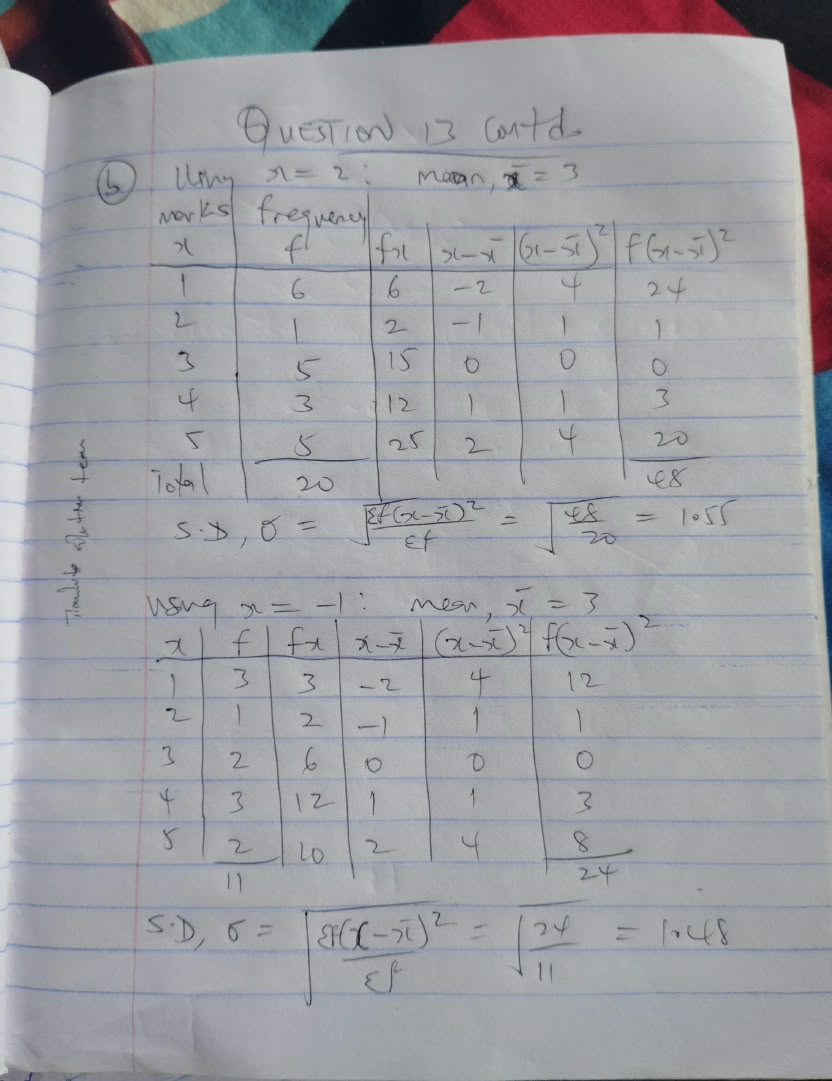
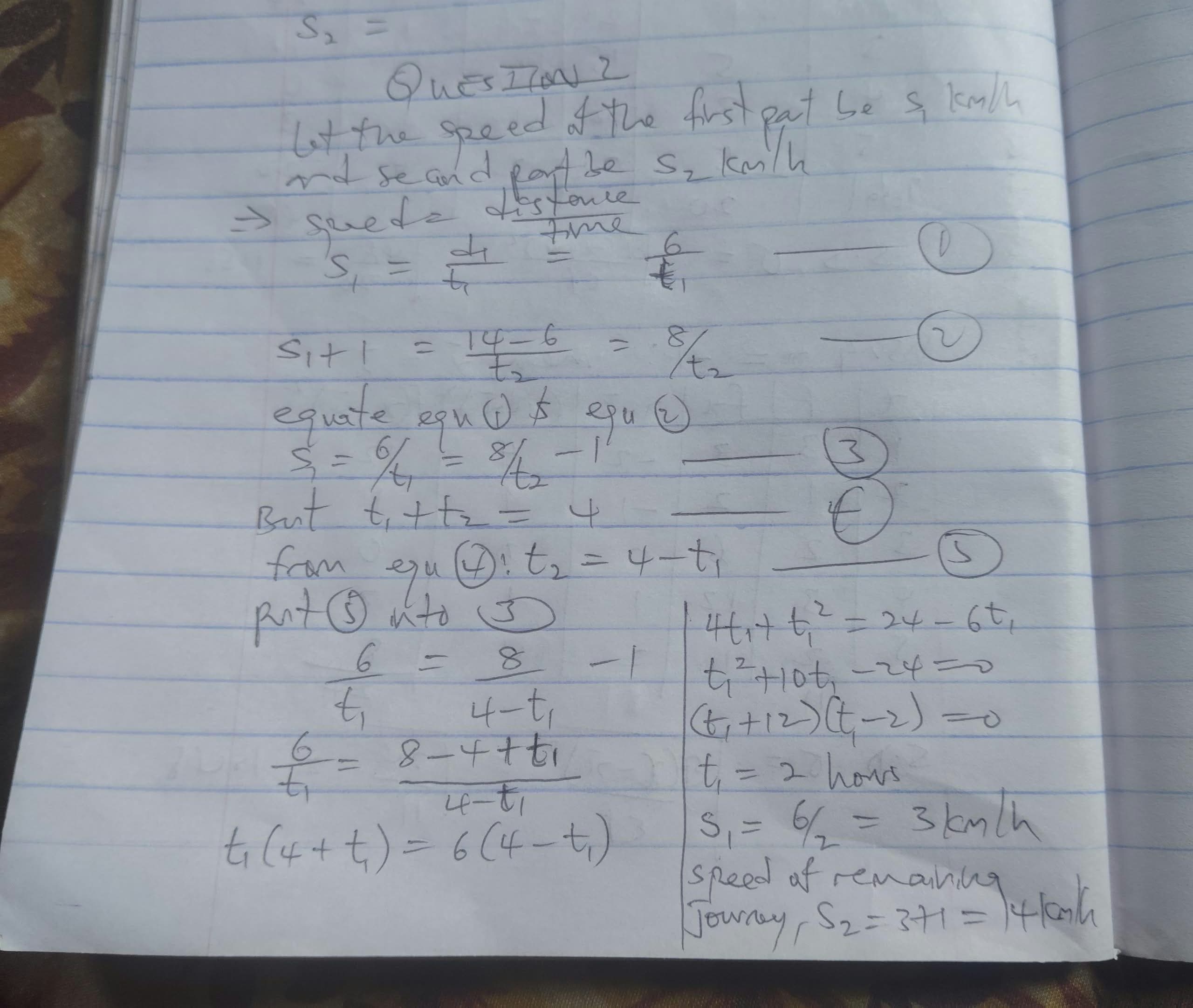
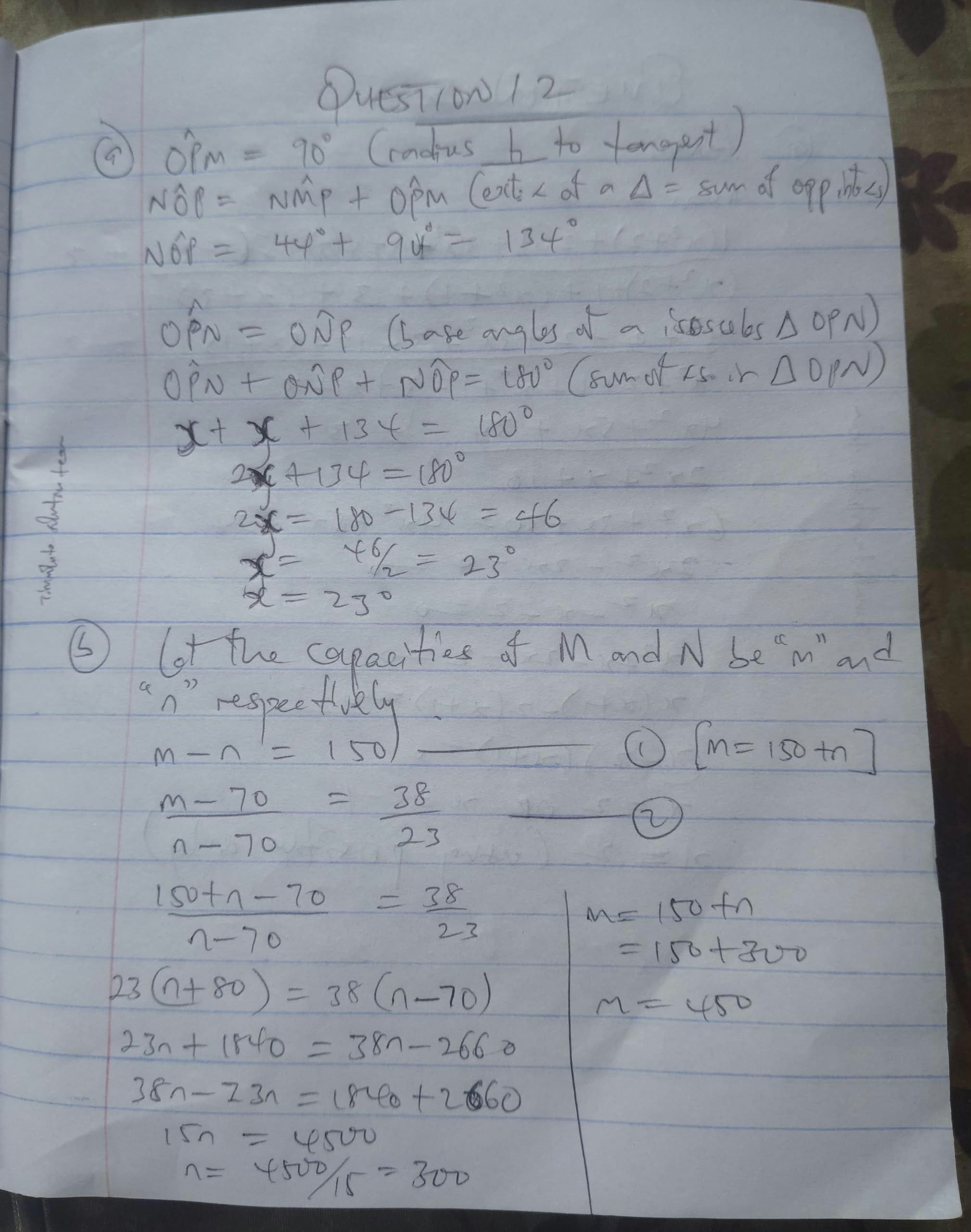
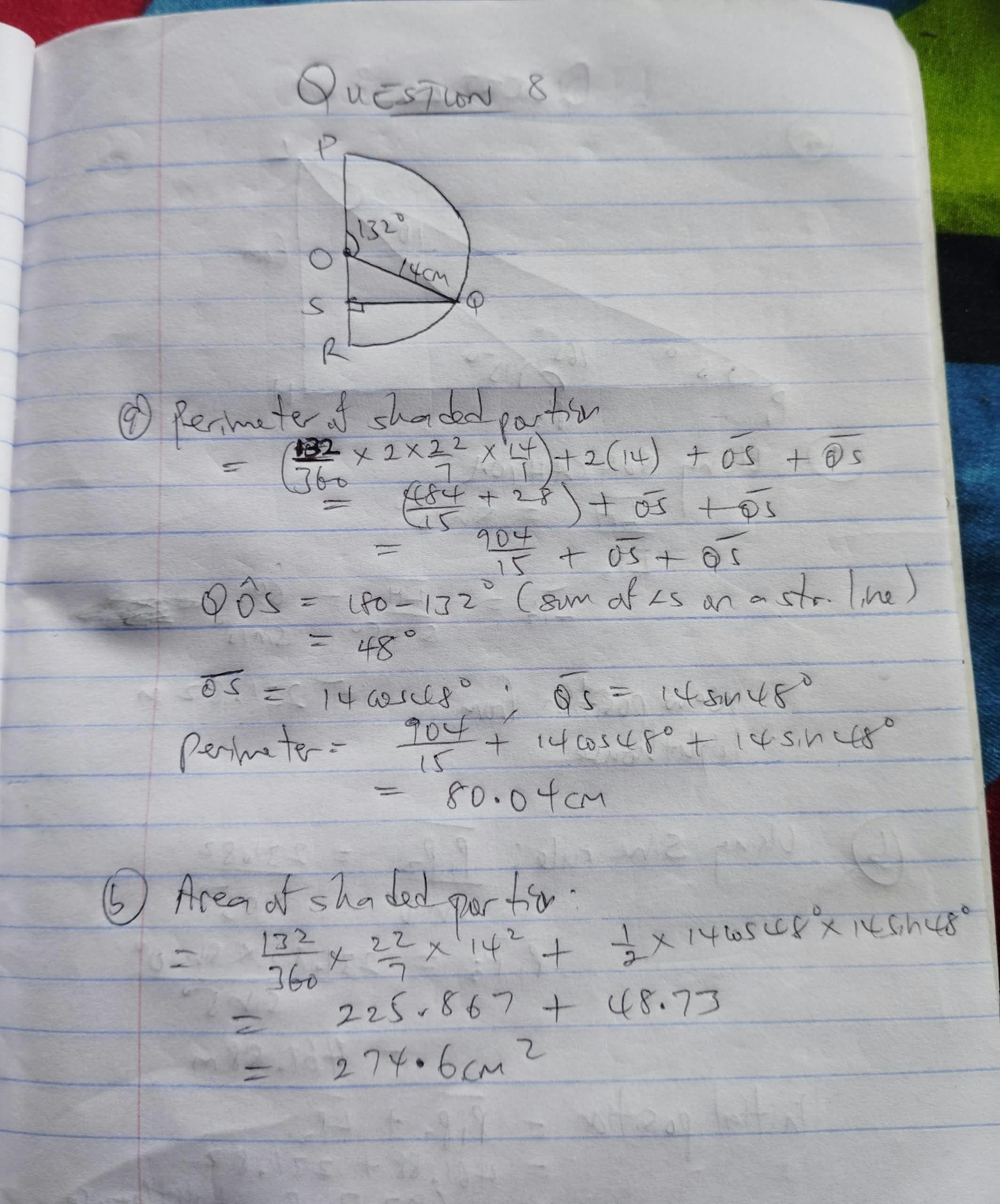
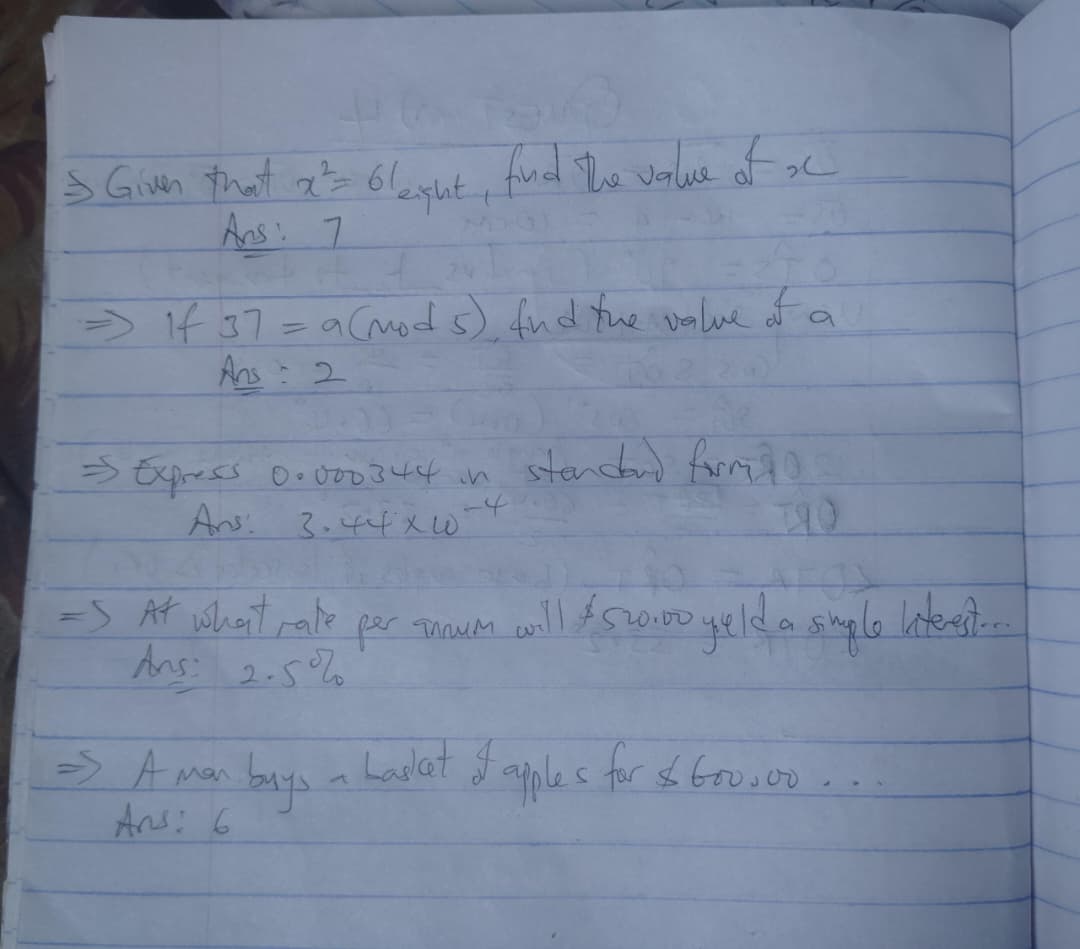
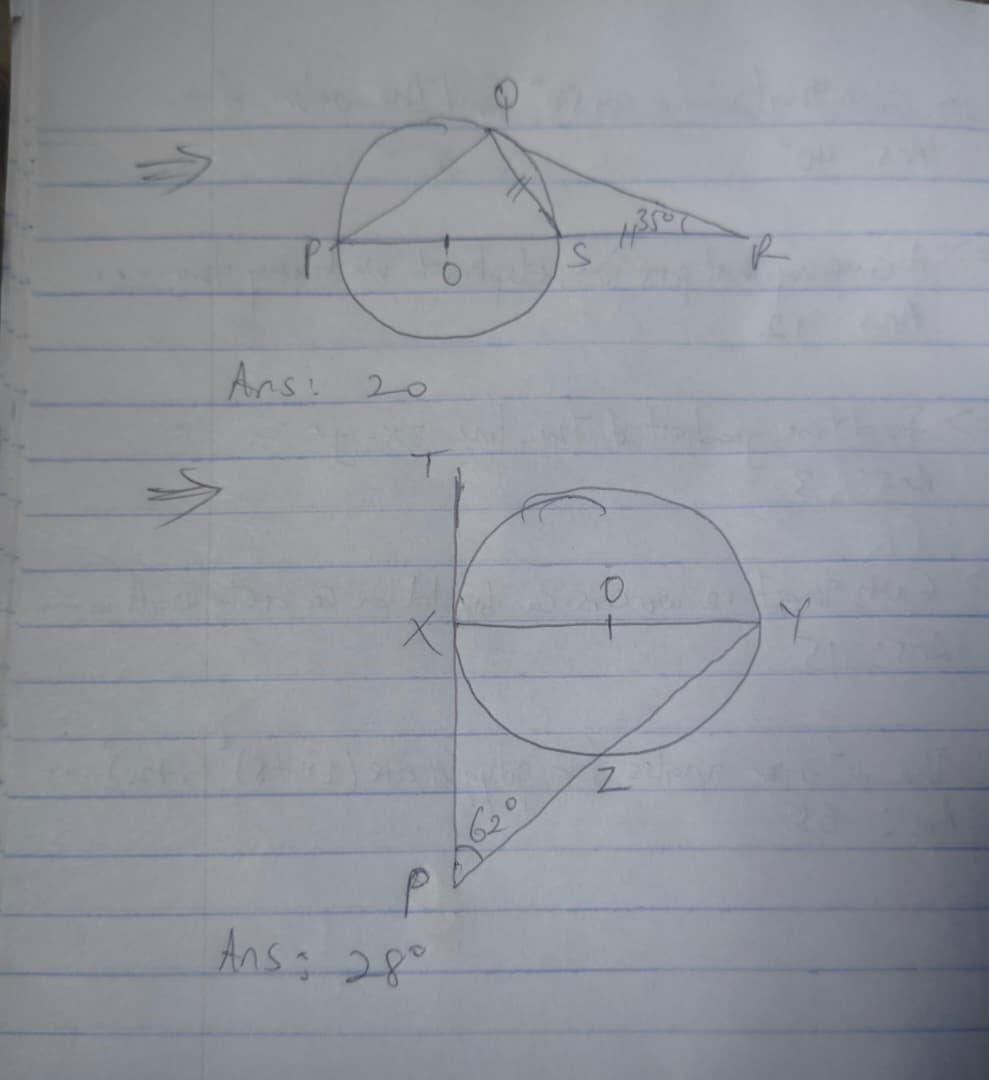
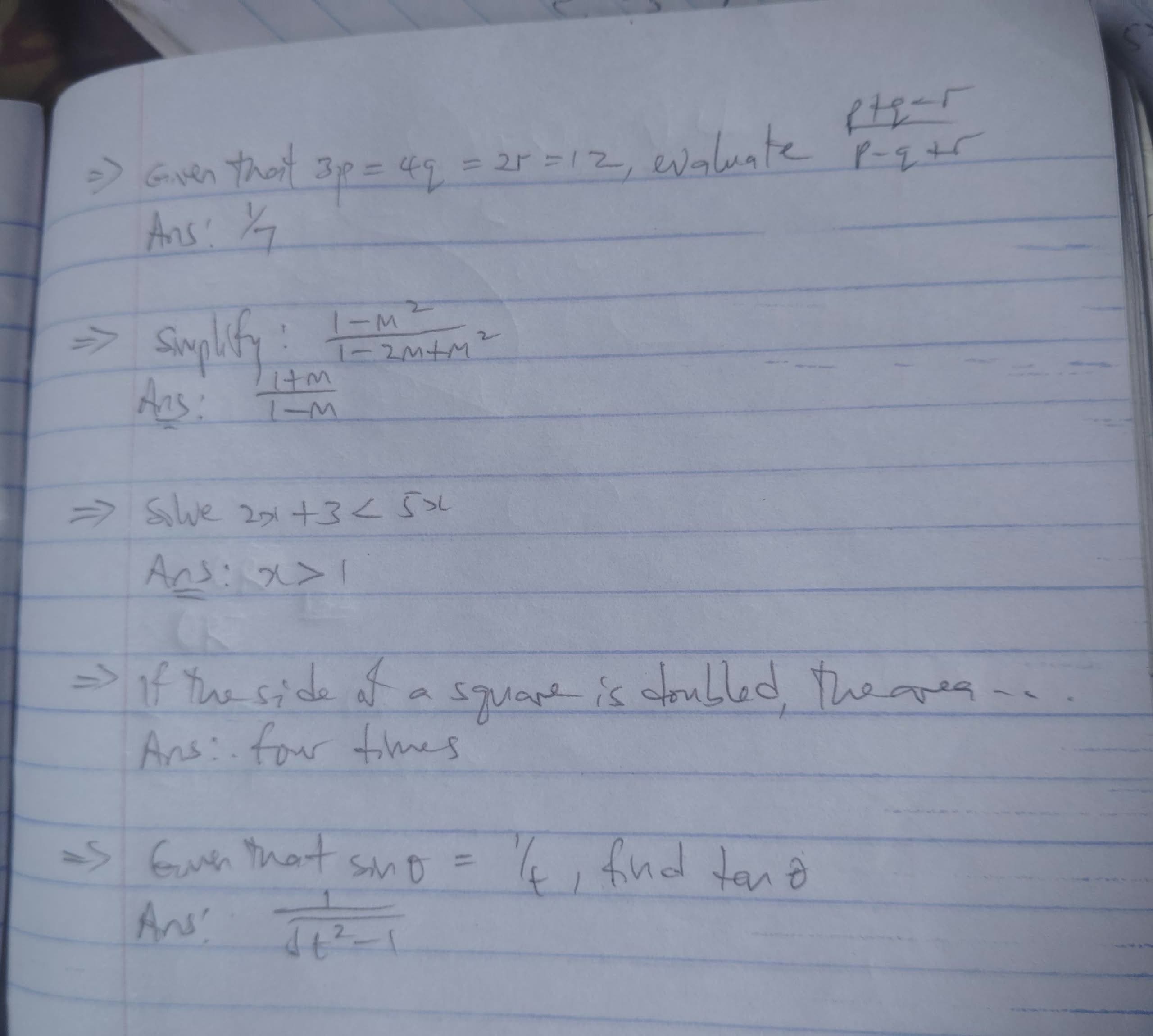
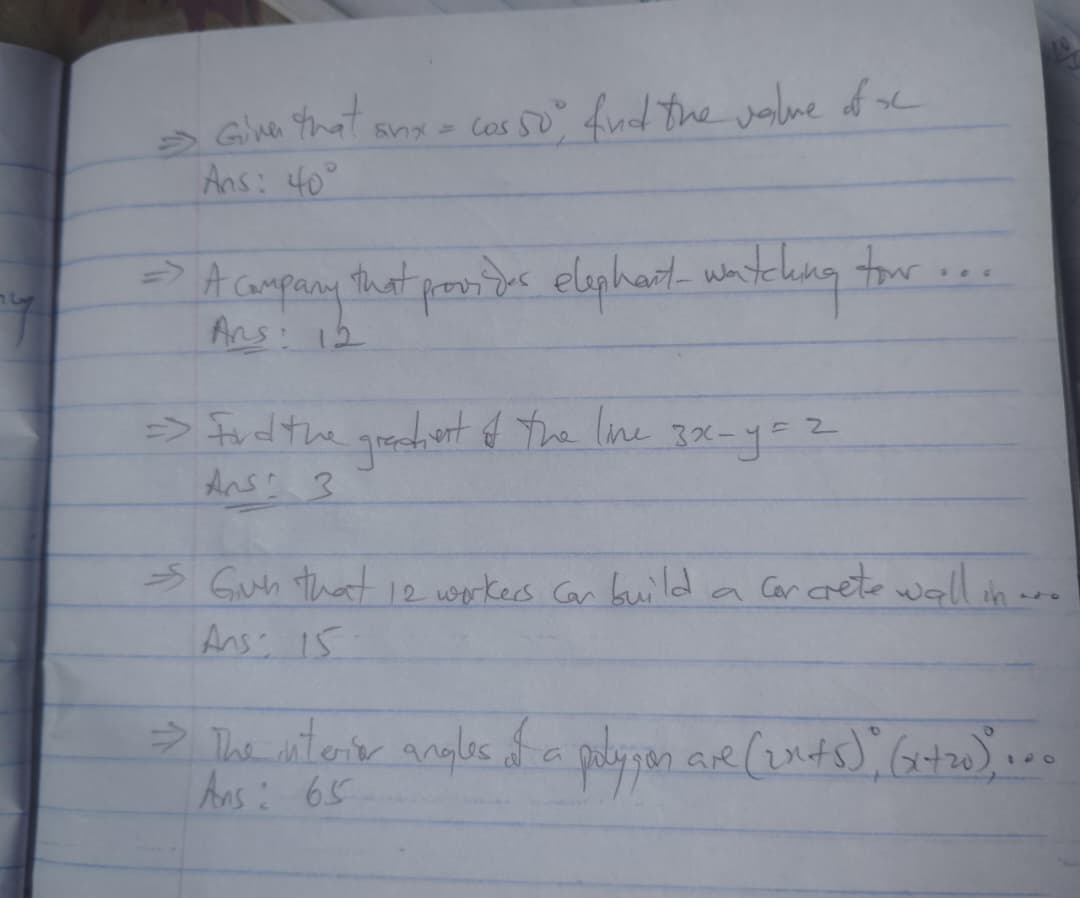
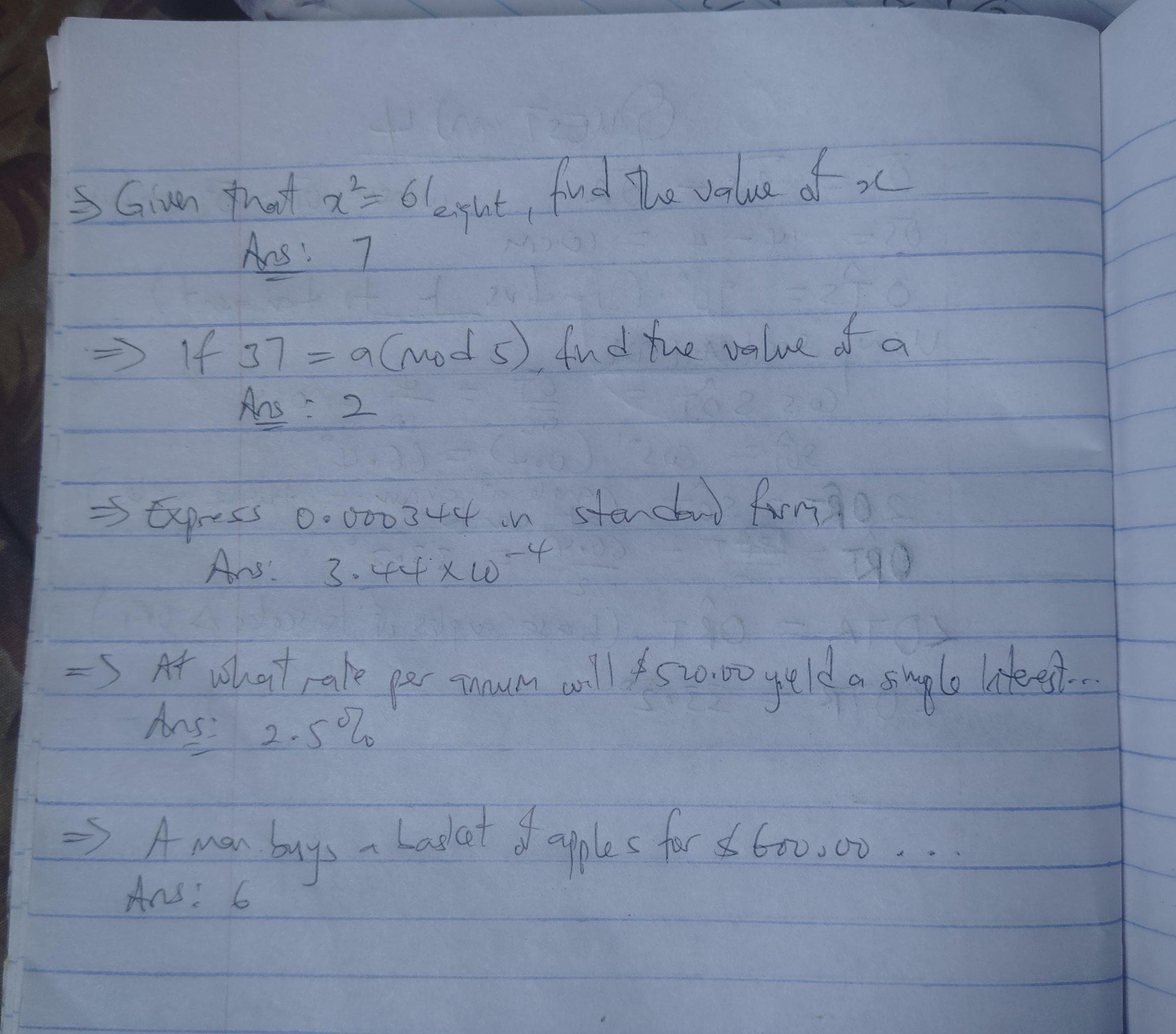
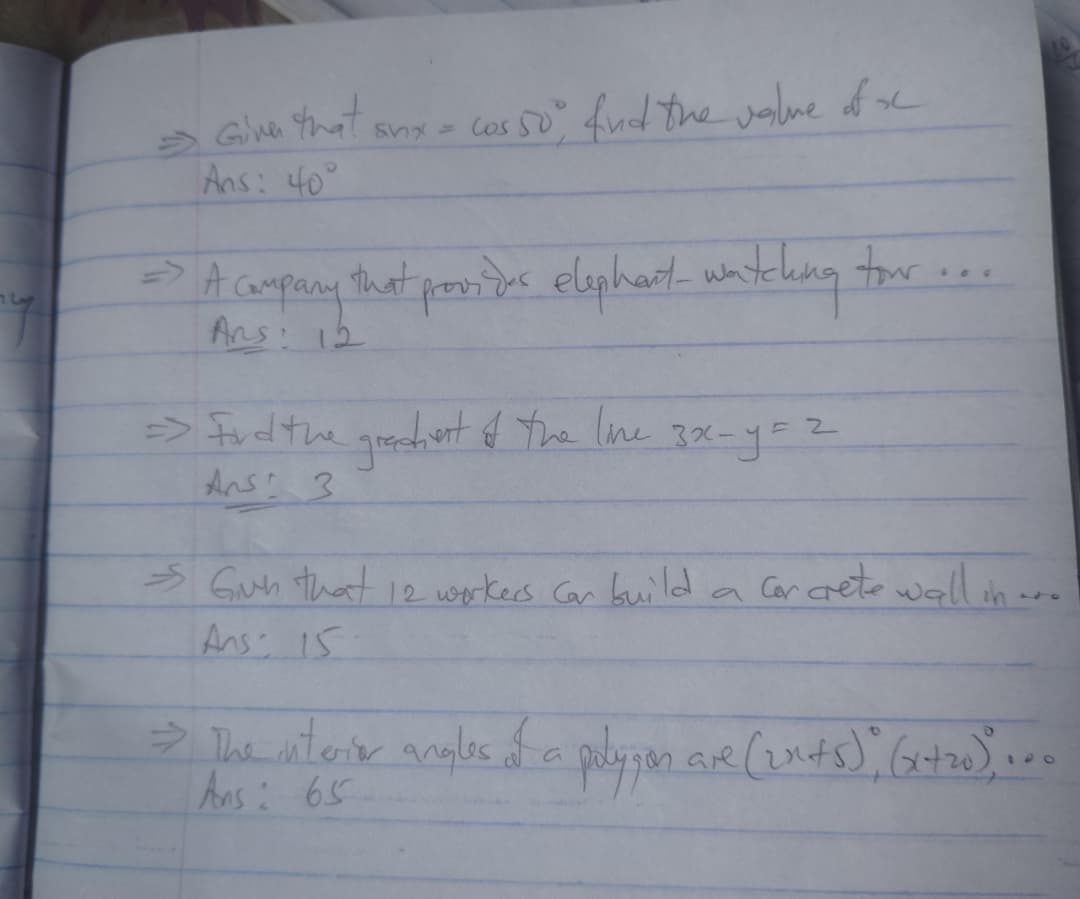
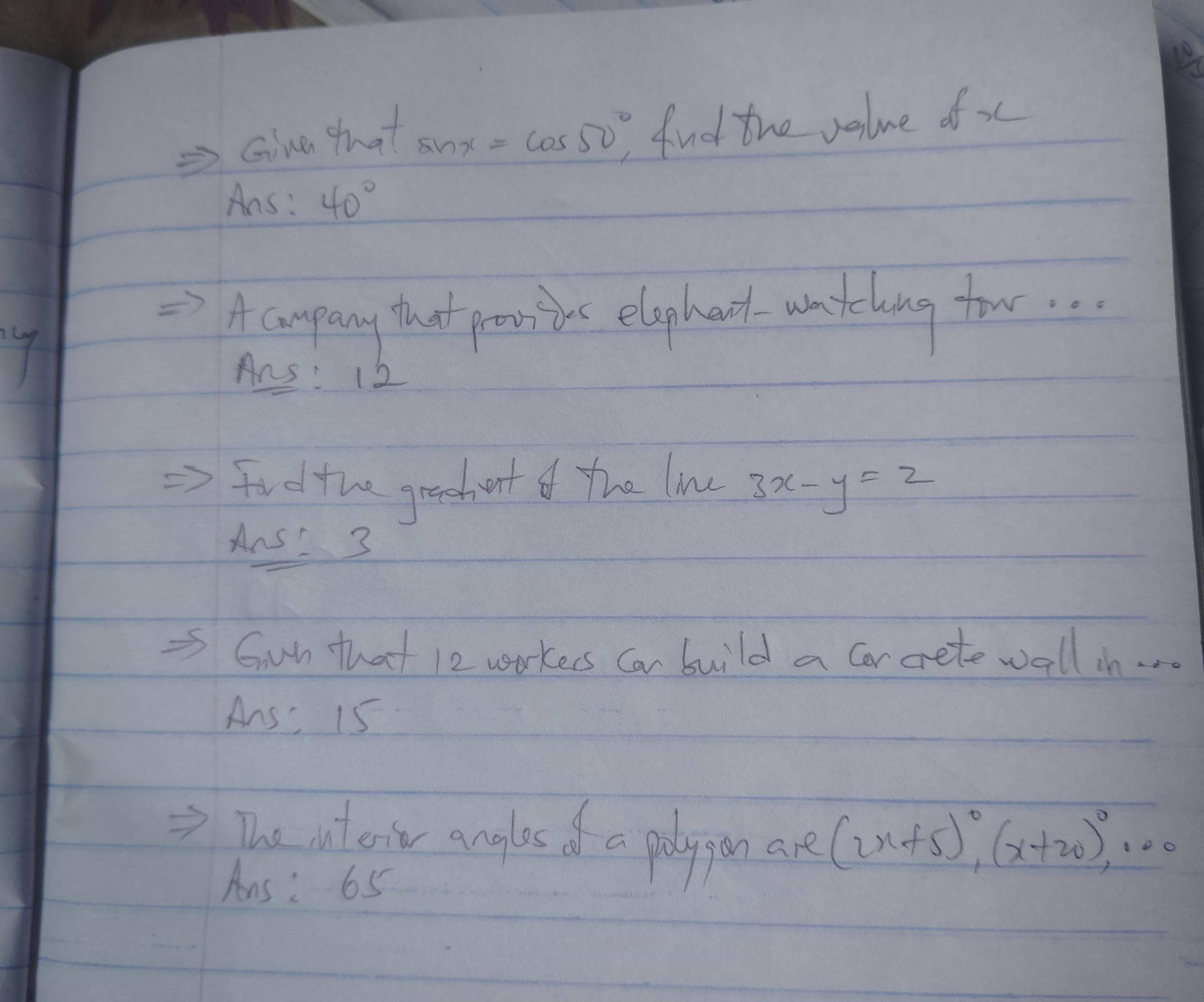
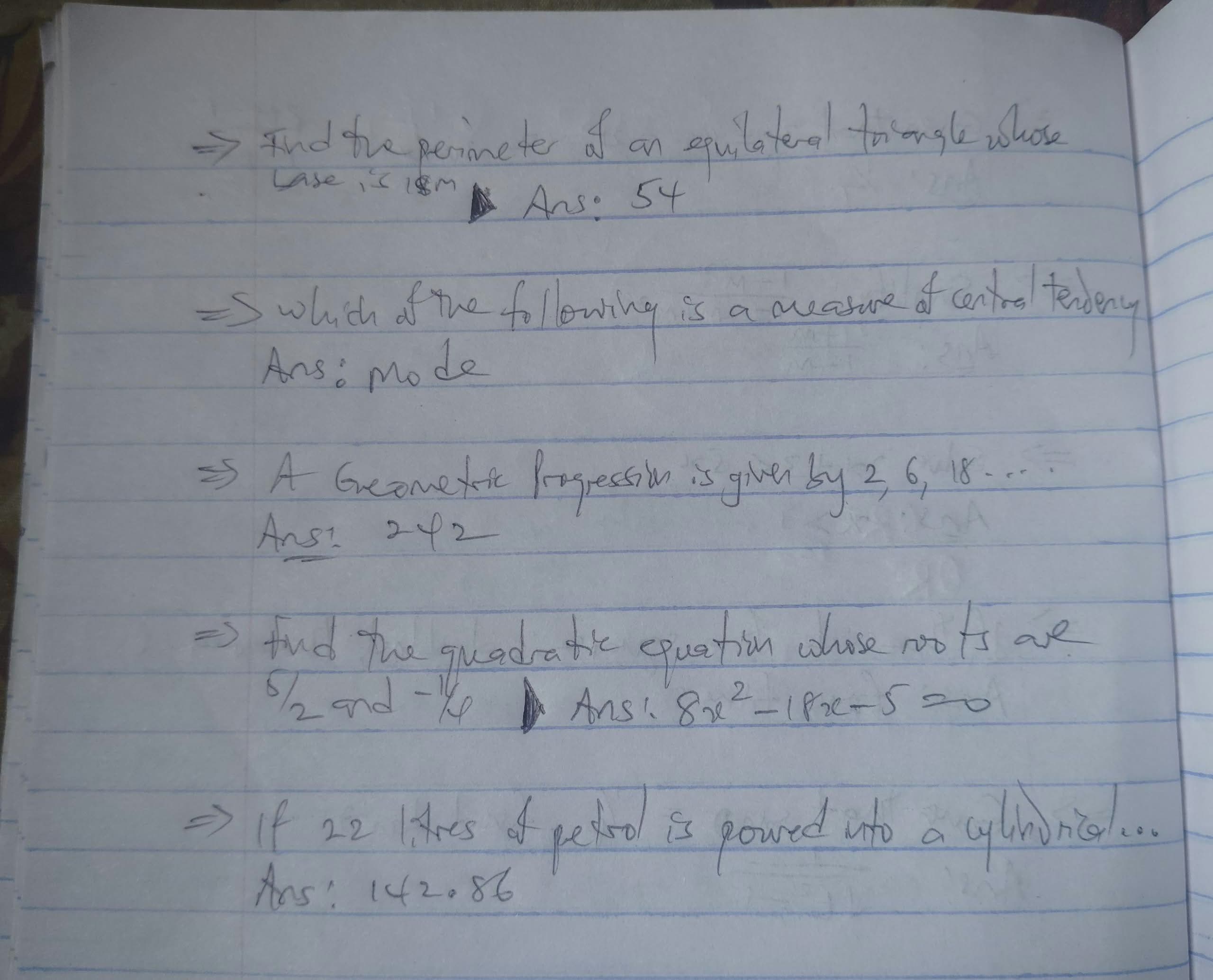
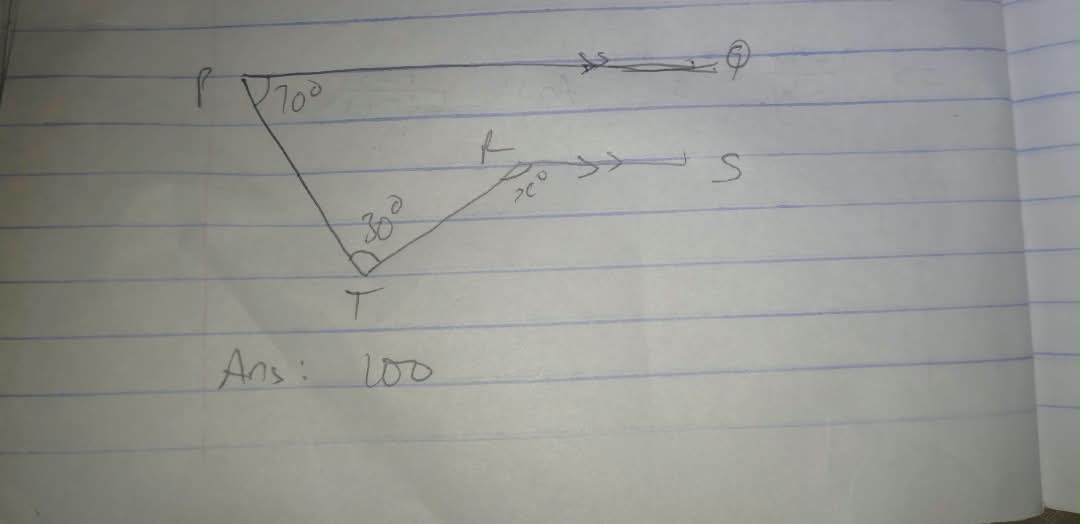
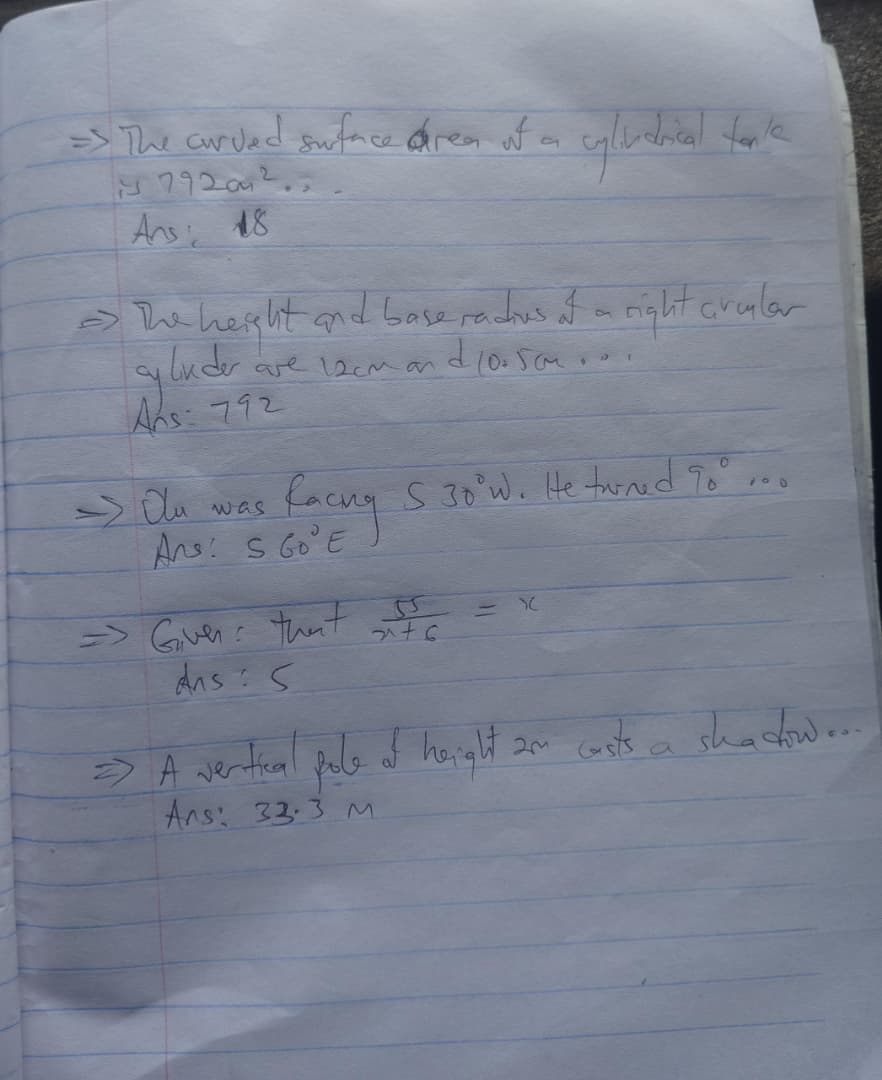
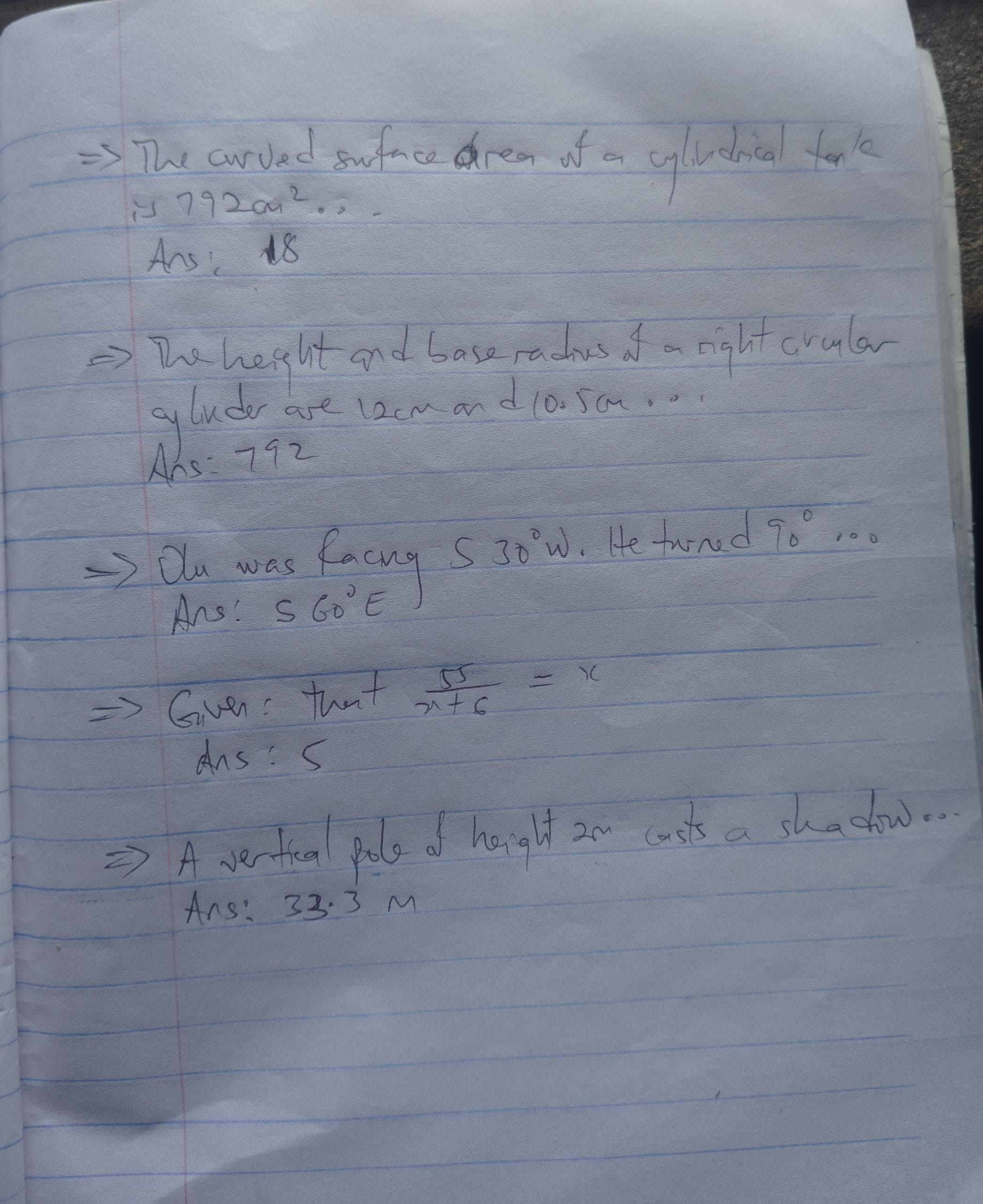
WAEC GCE Mathematics 2026 Study Guide
Preparing for the WAEC Mathematics examination can feel overwhelming, especially when candidates are unsure which parts of the syllabus deserve the most attention. Mathematics covers a wide range of topics, and trying to study everything without a proper revision plan can make preparation more difficult.
The good news is that candidates can prepare more effectively by identifying the important topics and mathematical skills they need to master.
This guide provides a practical list of WAEC GCE Mathematics areas of concentration for 2026/2027, including algebra, geometry, trigonometry, mensuration, statistics, probability, graphs, sequences and other important areas.
It is suitable for candidates preparing for WAEC WASSCE, WAEC GCE and other West African secondary-school examinations.
Important disclaimer: The topics listed in this article are study guides based on the WAEC Mathematics syllabus and commonly tested concepts. WAEC can set questions from any part of the official syllabus. Candidates should use this guide alongside the official syllabus, textbooks and past questions.
What Are WAEC Mathematics Areas of Concentration?
Areas of concentration refers to important topics and concepts that candidates should prioritize during revision.
They are useful because they help students organize their study time and identify subjects that require more practice.
However, candidates should not interpret an area of concentration as a prediction of the exact questions that will appear in the examination.
For the best preparation, combine:
- The official WAEC syllabus
- Past WAEC questions
- Recommended Mathematics textbooks
- Regular calculations and practice
- Timed examination practice
- Revision of difficult topics
WAEC Mathematics Examination Structure
The exact examination format can vary depending on the examination year and syllabus. Candidates should therefore confirm the current structure from the official WAEC information provided for their examination.
Generally, candidates should prepare for both objective and theory/problem-solving questions.
The objective section tests speed, accuracy and understanding, while the theory section requires candidates to demonstrate their working and reasoning.
For WAEC GCE candidates, the same principle applies: preparation should cover the complete syllabus rather than relying on predicted questions.
WAEC GCE Mathematics Areas of Concentration 2026/2027
1. Algebra
Algebra is one of the most important areas candidates should master.
Important areas include:
- Algebraic expressions
- Expansion of brackets
- Factorization
- Simplification
- Algebraic fractions
- Change of subject of formula
- Simultaneous equations
- Quadratic equations
- Inequalities
- Word problems
Candidates should not only memorize formulas. They should practice solving different forms of problems because WAEC can present the same mathematical concept in different ways.
2. Simultaneous Equations
Candidates should be comfortable solving simultaneous equations using methods such as:
- Substitution
- Elimination
- Graphical methods
Pay particular attention to word problems involving two unknown quantities.
The most important skill is translating the information in a question into mathematical equations before solving.
3. Quadratic Equations
Quadratic equations are another important area to revise.
Study:
- Factorization
- Completing the square
- Quadratic formula
- Roots of equations
- Word problems involving quadratic equations
Candidates should practice recognizing when a problem can be converted into a quadratic equation.
4. Number Bases
Number bases can provide valuable marks when properly understood.
Candidates should practice:
- Conversion between bases
- Addition in different bases
- Subtraction in different bases
- Multiplication and division in different bases
- Solving equations involving number bases
Do not rely on memorizing one example. Practice several questions until the conversion process becomes familiar.
5. Indices and Logarithms
Candidates should revise the laws of indices and logarithms carefully.
Important areas include:
- Laws of indices
- Negative indices
- Fractional indices
- Exponential equations
- Laws of logarithms
- Change of base
- Solving logarithmic equations
Understanding the laws is more useful than simply memorizing individual answers.
6. Sequences and Series
Sequences and series should also receive adequate attention.
Focus on:
- Arithmetic progression (AP)
- Geometric progression (GP)
- Common difference
- Common ratio
- nth term
- Sum of terms
- Applications of sequences and series
Practice both direct calculations and word problems.
7. Geometry
Geometry covers several important mathematical concepts.
Candidates should revise:
- Angles
- Triangles
- Quadrilaterals
- Polygons
- Properties of shapes
- Interior and exterior angles
- Similar shapes
- Congruent shapes
Learn the properties of common geometric figures rather than trying to memorize isolated answers.
8. Circle Theorems
Circle geometry deserves special attention.
Candidates should understand:
- Angle at the centre
- Angle in the same segment
- Angles in cyclic quadrilaterals
- Tangents
- Chords
- Alternate segment theorem
When solving circle-theorem questions, always draw or study the diagram carefully before applying a theorem.
9. Mensuration
Mensuration involves calculations relating to length, area, surface area and volume.
Revise formulas for:
- Squares
- Rectangles
- Triangles
- Parallelograms
- Trapeziums
- Circles
- Cylinders
- Cones
- Spheres
- Prisms
- Pyramids
Candidates should also practice questions involving units and conversion between different units.
10. Trigonometry
Trigonometry is an important part of Mathematics preparation.
Candidates should understand:
- Sine
- Cosine
- Tangent
- Right-angled triangles
- Angles of elevation
- Angles of depression
- Sine rule
- Cosine rule
- Area of a triangle
For word problems, drawing the correct diagram is often the first important step.
11. Statistics
Statistics is another major area to revise.
Candidates should practice:
- Mean
- Median
- Mode
- Range
- Frequency tables
- Grouped data
- Cumulative frequency
- Histograms
- Bar charts
- Pie charts
- Data interpretation
Candidates should be able to interpret information from tables and graphs instead of simply calculating values.
12. Probability
Probability questions can become easier when candidates understand the basic principles.
Study:
- Simple probability
- Probability of events
- Sample spaces
- Combined events
- Independent events
- Mutually exclusive events
Practice writing out possible outcomes when necessary.
13. Graphs and Functions
Candidates should pay attention to graphical representation.
Important areas include:
- Coordinates
- Plotting graphs
- Linear graphs
- Quadratic graphs
- Gradient
- Intercepts
- Graph interpretation
- Functions
For graph questions, accuracy in plotting points and using the correct scale is important.
14. Vectors
Candidates should revise the basic concepts of vectors.
Focus on:
- Vector notation
- Magnitude
- Addition of vectors
- Subtraction of vectors
- Position vectors
- Geometric applications
Practice drawing vectors where necessary to understand the direction and relationship between them.
15. Transformation Geometry
Transformation questions may involve:
- Translation
- Reflection
- Rotation
- Enlargement
Candidates should know how to identify the transformation and describe its properties correctly.
16. Commercial and Everyday Mathematics
Students should also revise mathematical applications that relate to everyday life and commercial activities.
These may include:
- Percentages
- Profit and loss
- Simple interest
- Compound interest
- Ratio
- Proportion
- Rates
- Discounts
- Hire purchase
- Taxation
- Wages and salaries
These topics are particularly useful because questions may present mathematical calculations in real-life situations.
17. Coordinate Geometry
Coordinate geometry connects algebra and geometry.
Candidates should practice:
- Coordinates
- Gradient
- Distance between points
- Midpoint
- Equation of a straight line
- Intercepts
Carefully check signs when working with positive and negative coordinates.
Most Important WAEC GCE Mathematics Topics to Prioritize
If you have limited revision time, do not completely ignore the rest of the syllabus. Instead, use the following as a revision priority list:
- Algebra
- Simultaneous equations
- Quadratic equations
- Geometry and circle theorems
- Trigonometry
- Mensuration
- Statistics
- Probability
- Graphs and functions
- Sequences and series
- Indices and logarithms
- Number bases
- Commercial mathematics
- Vectors
- Transformation geometry
These are study priorities, not guaranteed questions.
How to Prepare for WAEC GCE Mathematics 2026/2027
Practice Past Questions
Past questions can help you understand how mathematical concepts are presented in examinations.
However, do not simply memorize the answers.
After solving a question, ask yourself:
Why is this method correct?
That understanding will help when WAEC changes the numbers or wording of a question.
Master Your Formulas
Create a small revision sheet containing important formulas for:
- Mensuration
- Trigonometry
- Statistics
- Geometry
- Interest
- Sequences
- Coordinate geometry
Revise the formulas regularly and practice applying them.
Practice Calculations Every Day
Mathematics improves through practice.
Even 30–60 minutes of focused calculation each day can be more effective than reading Mathematics passively for several hours.
Practice Under Time Limits
Set a timer and attempt past questions without checking your textbook.
This helps improve:
- Speed
- Accuracy
- Confidence
- Time management
Show Your Workings
For theory questions, do not jump directly to the final answer.
Show the important steps clearly.
Even when your final answer is incorrect, properly presented working may demonstrate your method and help you earn available method marks where applicable.
Pay Attention to Units
A correct calculation can still produce a wrong final response if the unit is ignored.
Check whether the answer should be expressed in:
- cm
- m
- cm²
- m²
- cm³
- m³
- km/h
- percentages
- degrees
Common Mistakes Candidates Should Avoid
1. Memorizing Answers
Mathematics questions can be changed easily by using different numbers or wording.
Understanding the method is much more valuable.
2. Ignoring Difficult Topics
Avoid studying only the topics you already understand.
Spend additional time on areas where you consistently make mistakes.
3. Poor Time Management
Do not spend most of the examination time on one difficult question.
Move on and return to it later if necessary.
4. Not Checking Calculations
Reserve some time to check your answers, signs, decimal places and units.
5. Relying on Expo or Leaked Questions
Candidates should avoid websites, groups or individuals claiming to possess leaked WAEC questions.
Apart from the risk of scams, relying on unauthorized materials can undermine genuine preparation and may expose candidates to examination-malpractice consequences.
Best Materials for WAEC GCE Mathematics Preparation 2026/2027
For serious preparation, candidates should use:
- Current WAEC syllabus
- WAEC past questions
- Approved Mathematics textbooks
- Mathematical tables where applicable
- School revision materials
- Teacher explanations
- Legitimate CBT practice platforms
Always confirm important examination information from reliable sources rather than social-media rumours.
WAEC GCE Mathematics GCE 2026/2027 Preparation
Candidates preparing for WAEC GCE Mathematics 2026 should use the same approach.
Do not assume that because you are sitting for GCE, only a small portion of the syllabus will be examined.
Revise the major areas systematically and practice questions under examination conditions.
In particular, GCE candidates should pay attention to:
- Algebra
- Geometry
- Trigonometry
- Mensuration
- Statistics
- Probability
- Graphs
- Commercial mathematics
- Number bases
- Indices and logarithms
Final Revision Checklist
Before entering the examination hall, make sure you have revised:
- Algebraic manipulation
- Simultaneous equations
- Quadratic equations
- Number bases
- Indices and logarithms
- Geometry
- Circle theorems
- Mensuration
- Trigonometry
- Statistics
- Probability
- Graphs
- Sequences and series
- Vectors
- Transformation
- Commercial mathematics
Also practice at least several complete past papers under timed conditions.
Final Thoughts
The best way to prepare for WAEC GCE Mathematics 2026/2027 is not to search endlessly for predicted questions. Instead, candidates should understand the syllabus, identify important areas, practice past questions and develop the ability to solve unfamiliar problems.
Algebra, geometry, trigonometry, mensuration, statistics, probability, graphs, sequences, number bases and commercial mathematics deserve serious attention, but no study guide can guarantee the exact questions that WAEC will set.
With consistent practice, proper time management and a good understanding of mathematical principles, candidates can approach for WAEC GCE Mathematics with much greater confidence.
Disclaimer: This article is provided strictly as an educational preparation guide. The areas listed are based on syllabus coverage and common examination topics and should not be treated as guaranteed questions or examination predictions. Candidates are encouraged to study the complete official syllabus, use legitimate past questions and follow WAEC’s examination rules.
Also Read Related Study Guide:
- WAEC Timetable 2026 for May/June Exam Released: Full Schedule & Best Preparation Tips
- WAEC English Language Areas of Concentration 2026: Important Topics Candidates Should Read
- WAEC Chemistry Areas of Concentration 2026: Important Topics Candidates Should Read
- WAEC Physics Areas of Concentration 2026: Important Topics Candidates Should Read
- WAEC Biology Areas of Concentration 2026: Complete Guide & Key Topics
Are we allowed to use a scientific calculator
Yes, we have explained it in the article at FAQs section, using scientific calculator is allowed